

Laboratory activities
- Execution of national monitoring and control programs (food, feed, animal diseases) adopted by the national governmental bodies
- Laboratory testing of food, drinking water, feed (chemical, biological, GMO, organoleptic etc. tests)
- Diagnosis of animal diseases (bacteriological, parasitological, immunological, virological, molecular etc. tests)
- Functions of the National Reference Laboratory - collaboration with EU-RLs, coordination of activities of official laboratories that analyse official samples, organisation of comparative tests between the official laboratories, dissemination of information from the EU-RLs to the competent authority and official national laboratories, assistance for the competent authority in drafting coordinated monitoring and control plans.
- Implementation and confirmation of laboratory test methods.
- Plan for investigation of official samples of food;
- Monitoring of contaminants in food of plant origin;
- Monitoring plan for certain substances and residues in live animals and food of animal origin;
- Program for the control of imported foodstuffs;
- Monitoring program of feed;
- Program for the control of animal infectious diseases.
- Bacteriological, parasitological and mycological investigation of clinical and pathological material of various animals, birds, fishes and bees.
- Serotyping of Salmonella and verotoxigenic E.coli (VTEC).
- Determination of resistance of bacteria to antimicrobial substances.
- Bacteriological and mycological investigation of feeds and their raw material.
- Bacteriological and mycological investigation of environmental samples.
- Investigation of sludge, biohumus and bedding.
- Investigation of the quality of animal sperm.
- Virological investigations of domestic and wild animals and fish.
- Testing of efficacy of vaccination of wild animals against rabies.
- Pet travel scheme tests.
- Cell culturing, VI, VN, FAVN, IF, IFA techniques.
- BSL-3 laboratory facilities for investigations of contagious animal diseases.
- Immunological investigations of infectious diseases of domestic and wild animals in blood serum and milk.
- More than 60 various infectious animal diseases can be diagnosed by classical immunological methods.
- Investigations of diseases caused by bacteria, viruses and protozoa.
- Laboratory tests for animals intended to import, export, for breeding and exhibitions.
- Carries out dissections.
- Pathological, anatomical and histological analysis of pathological material.
- Collection and preparation of pathological material for virological, bacteriological and molecular biology tests investigations.
- Investigations of tissue samples for detection of TSEs by histological, immunochemical and rapid test methods.
- Identification of animal proteins in feed by microscopy.
- Assessment of efficacy of oral vaccination of wild animals against rabies.
- Molecular qualitative and quantitative analyses of foodstuffs, feedstuffs, plants and their seeds are being carried out in order to identify their genetic modification;
- Molecular microbiological, virological analyses are being carried out in order to determine rabies, classical swine fever, avian influenza, bovine viral diarrhoea and other diseases;
- Polymerase chain reaction (PCR), AT-PCR, real time PCR, genotyping and sequencing analyses.
- Chemical and physical analyses of foodstuffs, their raw materials, drinking and mineral water, beverages, feedstuffs and other;
- Evaluation composition of products – proteins, fats, hydrocarbons, vitamins, humidity, ash content and other;
- Contaminants – mycotoxins, pesticide residues, polychlorbiphenils, benzo(a)pirene, residues of veterinary medicinal products and feedstuff additives, toxic elements.
- Microbiological, mycological, parasitological qualitative and quantitative analyses of foodstuffs, water, beverages;
- Molecular qualitative investigations of microorganisms;
- Detection of residues of antibacterial substances in raw milk and fresh meat;
- Agar media, broth and reagents are produced for microbiological investigations
- Sensoric analyses of foodstuffs and drinking water.
- Sensory group of 11 assessors selected from the NFVRAI staff.
- Qualifications of assessors each year tested with the inter-laboratory comparison tests.
- Sensory analysis - differences tests, descriptive methods, the scoring.
NFVRAI Accreditation certificate
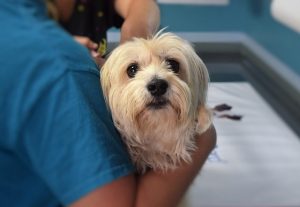
Rabies antibody test for Pet animals

National Food and Veterinary Risk Assessment Institute (NFVRAI)
J. Kairiūkščio g. 10, LT-08411, Vilnius
Phone +370 52 78 0470
E-mail: [email protected]
Last updated: 15-04-2024